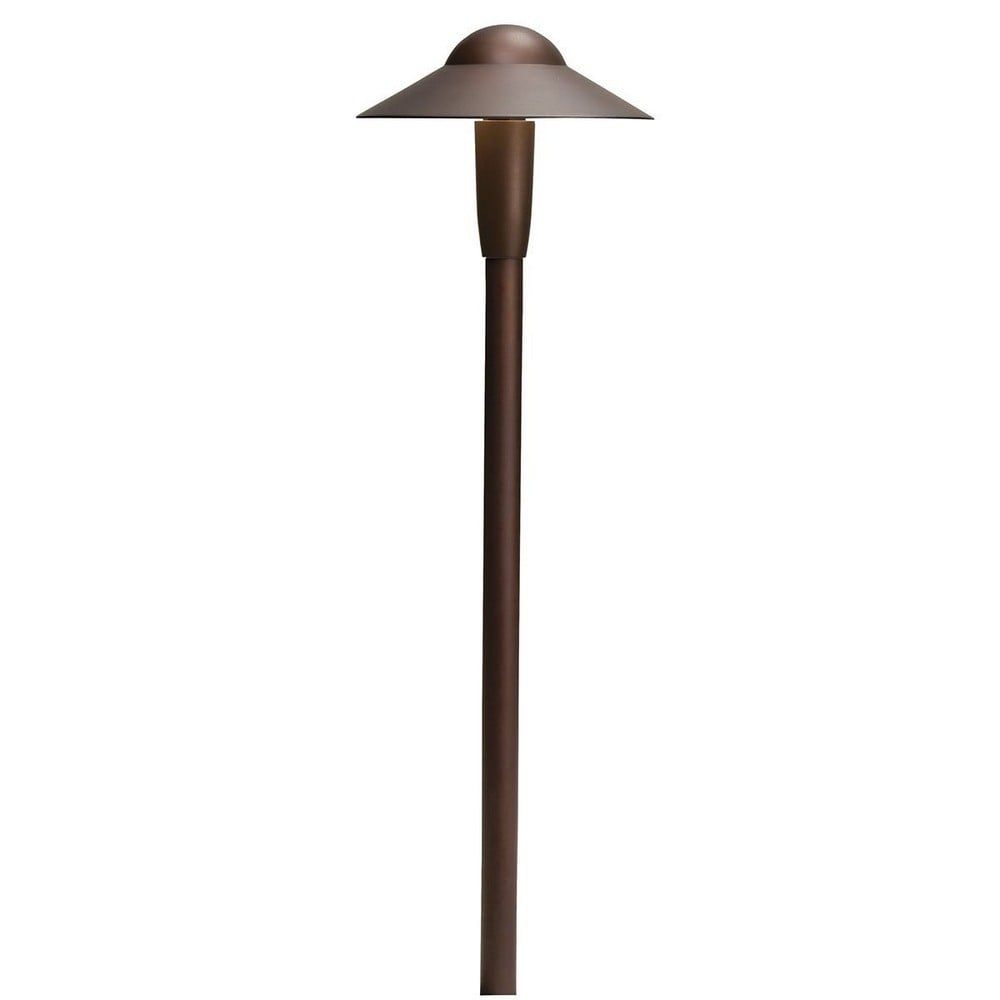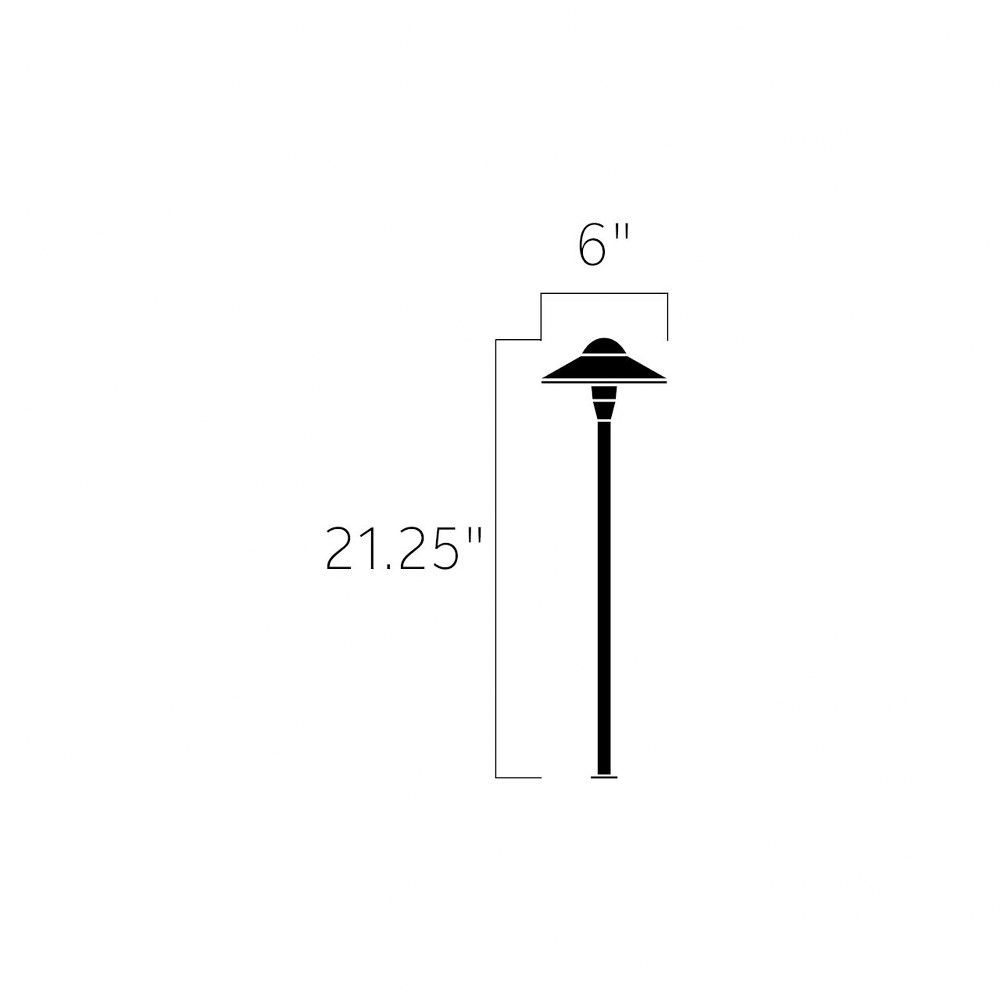
2700K or 3000K PURE-WHITE LED 6in.in. DOME PATH LIGHT - A popular look in Centennial Brass has a new addition with a smaller 6in.in. shade and is available in LED.
Color Temperature: 2700K or 3000K
Lumens: 250
CRI: 80
More Details about Kelvin Temperature: Color temperature is a way to describe the light appearance provided by a light source. Typically, Kelvin temperatures for commercial and residential lighting applications fall somewhere on a scale from 2000K to 6500K. The higher the kelvin, the cooler the light appears to the human eye (blue to white). Most common kelvin temperature for residential lighting generally falls in between 2700 and 3500 kelvin.
More Details about CRI: A color rendering index (CRI) is a quantitative measure of the ability of a light source to reveal the colors of various objects faithfully in comparison with an ideal or natural light source. The higher the CRI the better the rendering of the objects that are lit.
Dimmable:
You May Also Like ...
Loading related products...
Certifications and Ratings
Wet Rated
ETL Rated
$149.95$214.99Save 30%
Loading...
Loading...
Loading...
Loading...
Loading...
Loading...
Loading...
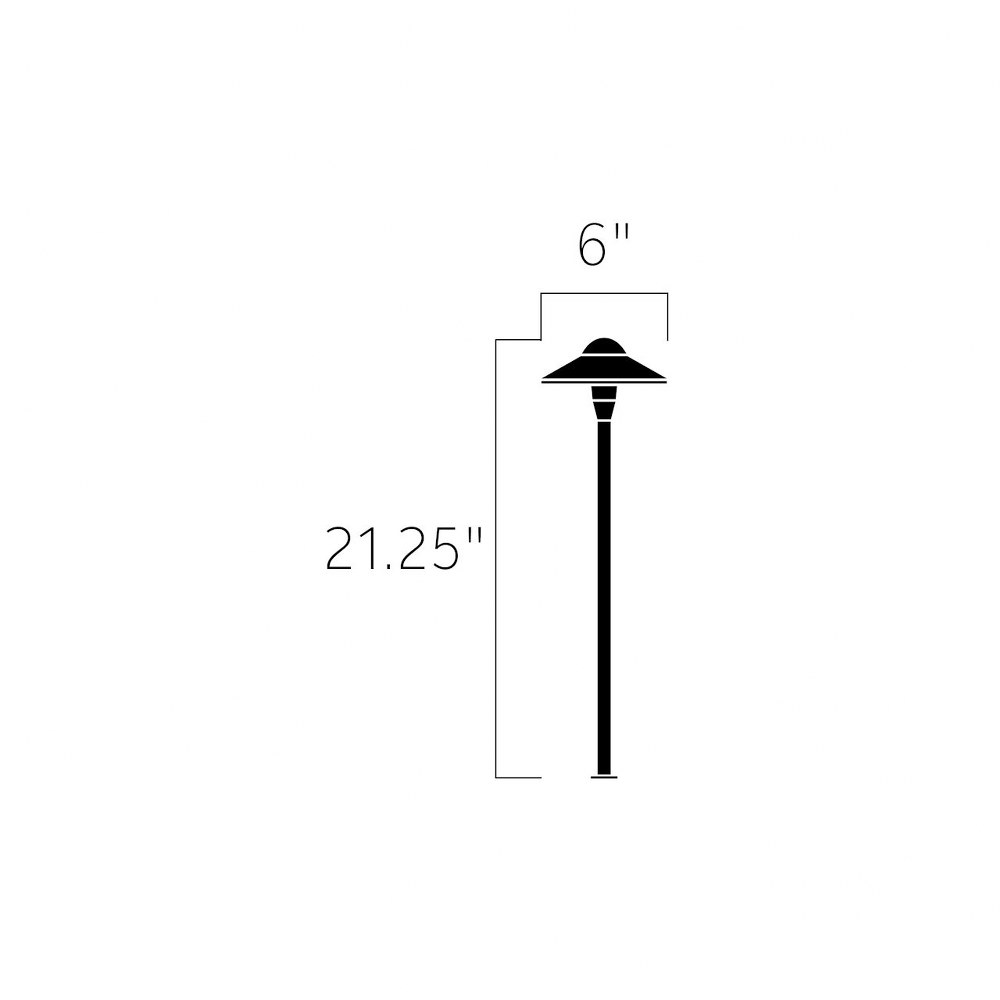
3W 3 LED Small Dome Path Light 22 x 6.25 inches by Bailey Street Home - 147-BEL-2011543
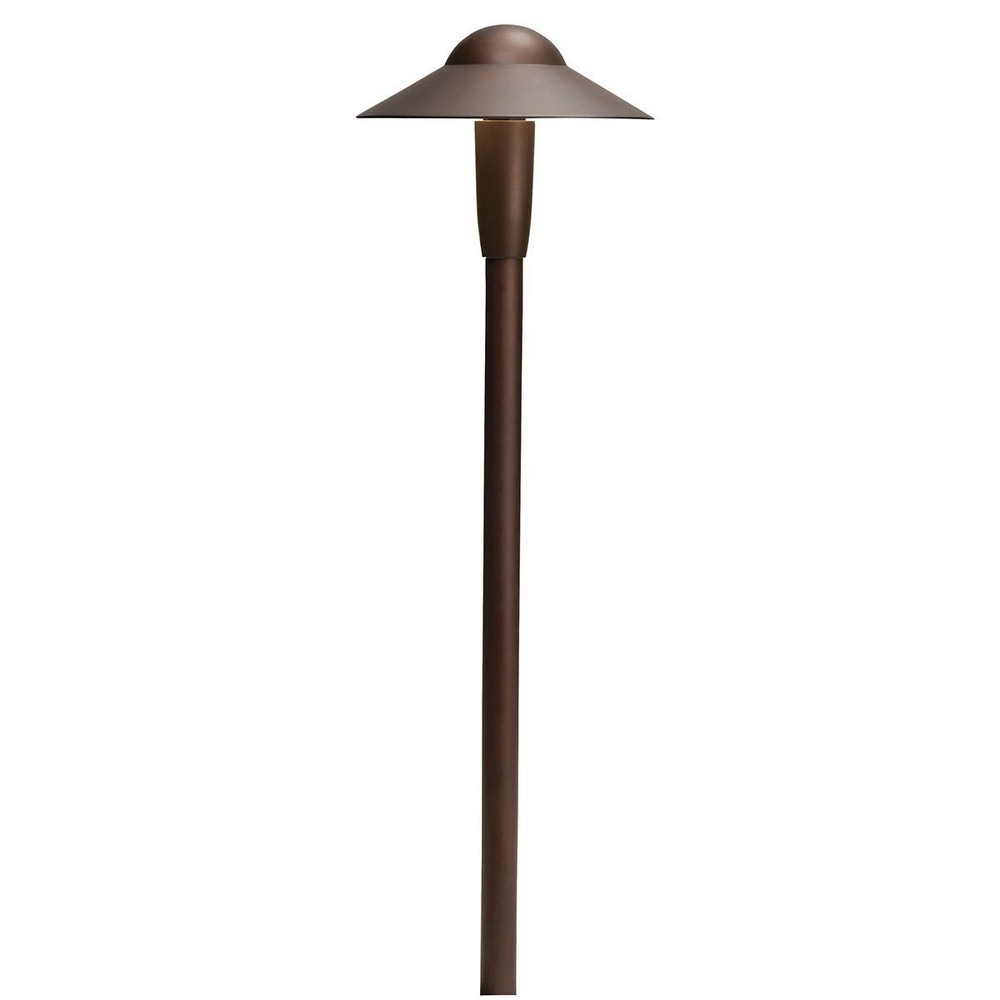
2700K or 3000K PURE-WHITE LED 6in.in. DOME PATH LIGHT - A popular look in Centennial Brass has a new addition with a smaller 6in.in. shade and is available in LED.
Color Temperature: 2700K or 3000K
Lumens: 250
CRI: 80
More Details about Kelvin Temperature: Color temperature is a way to describe the light appearance provided by a light source. Typically, Kelvin temperatures for commercial and residential lighting applications fall somewhere on a scale from 2000K to 6500K. The higher the kelvin, the cooler the light appears to the human eye (blue to white). Most common kelvin temperature for residential lighting generally falls in between 2700 and 3500 kelvin.
More Details about CRI: A color rendering index (CRI) is a quantitative measure of the ability of a light source to reveal the colors of various objects faithfully in comparison with an ideal or natural light source. The higher the CRI the better the rendering of the objects that are lit.